Granelly Script: Testing a Handwritten Font for Modern Web Design
I was recently reworking the homepage for a small, independent ceramics brand, and the brief was all about warmth and craftsmanship. The existing fonts felt too corporate. I needed something that would visually whisper "handmade" and "personal" from the very first scroll. That’s when I downloaded Granelly Script for a real-world test.
Granelly Script for Website Headings and Hero Sections
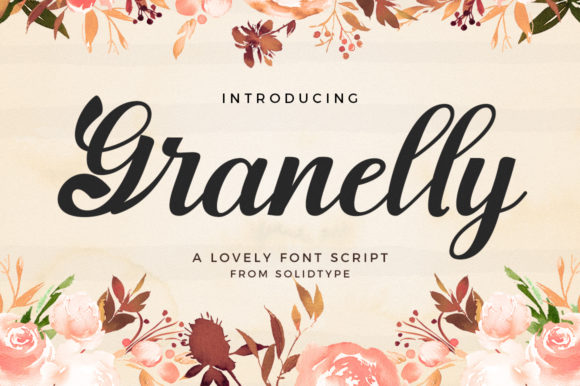
Granelly Script is a lovely and classic handwritten font. My first move was to drop it into the hero banner, replacing the generic sans-serif headline. Instantly, the mood shifted. This font isn’t overly casual or wildly artistic; it carries a refined, approachable grace. On a full-screen image of a beautifully glazed vase, the script typeface added a layer of human touch without sacrificing clarity. In digital layouts, especially hero sections, Granelly Script performs as a display font that establishes brand personality immediately.
Readability of Granelly Script on Landing Pages and Mobile Screens
Any script font demands a careful check for on-screen readability, particularly for mobile users. Granelly Script’s letterforms are well-spaced and its classic handwriting style maintains a consistent baseline, which is crucial. I tested it on a product landing page headline at various viewport sizes. It remained legible even on smaller devices, provided I kept the usage to short, impactful phrases—perfect for key calls-to-action or section titles. Over a dark background, with a crisp white color applied, the font held its own. The lesson here is to use Granelly Script for emphasis, not for long paragraphs of body copy.
Building a Brand Kit with Granelly Script for Logos and Signage
The product description mentions logos and signage, which translates perfectly to digital branding. For this ceramics site, I used Granelly Script to craft a simple text-based logo for the site header. It provided that signature feel. More importantly, I extended this font into the digital brand kit: it became the consistent voice for promotional banners, email campaign headers, and even labels on digital product mockups. Using a single, distinctive handwritten font like Granelly Script across these touchpoints builds incredible visual consistency, which fosters brand trust and professionalism.
When selecting a font for comprehensive web use, you must check its technical specs. Before finalizing Granelly Script for the client, I confirmed its availability as a webfont, the included file formats, and the commercial license for use on a live website. This due diligence is non-negotiable for any professional web project.
Granelly Script for Wedding Invitations and Elegant Online Stores
While my test case was a ceramics shop, the natural elegance of Granelly Script makes it ideal for any online business centered around celebration and care. Imagine a boutique wedding invitation website or an online store for artisan goods. Using Granelly Script for category headings, limited-edition product titles, or special offer banners directly channels that "lovely and classic" feel into the digital space. It tells a story before the user even reads the price.
Pairing Granelly Script with Web Fonts for Complete Layouts
A script font alone doesn’t build a webpage. You need a strategic font pairing. For body copy and UI elements like buttons and forms, I paired Granelly Script with a simple, neutral sans-serif font. This contrast is essential for good UX: the handwritten font grabs attention and sets the mood, while the sans-serif ensures effortless reading and scanning of product descriptions and blog content. This combination creates a clear visual hierarchy and guides the user’s eye naturally through the layout.
Using Granelly Script on Posters and News for Campaign Pages
The product details highlight use cases like posters and news. In web design, this translates to campaign landing pages or blog feature graphics. I applied Granelly Script to a key headline announcing a new workshop series on the ceramics site. The font’s personality turned a standard announcement into a visually compelling event poster within the website’s framework. For any digital creator launching a course, promoting a webinar, or highlighting a news feature, this typeface can elevate the entire page from standard to special.
It’s also wise to consider performance. Using a display font like Granelly Script sparingly—for key headings only—helps maintain fast page loads, a critical factor for user engagement and SEO.
Granelly Script for T-Shirts and Letterhead in Digital Contexts
Even use cases like t-shirts and letterhead find a home in digital projects. For the ceramics brand, I created mockups of merchandise—like a t-shirt with a brand motto—for the online store. Granelly Script was the perfect choice to render that text, ensuring the digital mockup felt authentic. Similarly, for the "Contact" page, using the font for the letterhead-style address block added a cohesive, polished finish. This shows how a versatile handwritten font can bridge physical brand assets and their digital representations.
Granelly Script for Labels and Badges on Product Pages
On e-commerce product pages, visual cues are vital. Granelly Script worked beautifully when I used it to create digital labels for "Limited Edition" or "Hand-Painted" badges on product images. The script style made these badges feel part of the product story, not just a generic UI element. This subtle application enhances perceived value and can influence user decision-making.
Throughout this real website project, Granelly Script proved itself as more than just a pretty font. It’s a practical design asset for any web designer, UI designer, or digital creator looking to inject classic, handmade personality into a modern online brand experience. From logos to headings to campaign graphics, its lovely character builds a more engaging and trustworthy digital space, provided it’s used with an eye for readability and paired with a solid foundational font. The result was a website that felt uniquely personal, which is exactly what the client—and their customers—were hoping to find.